

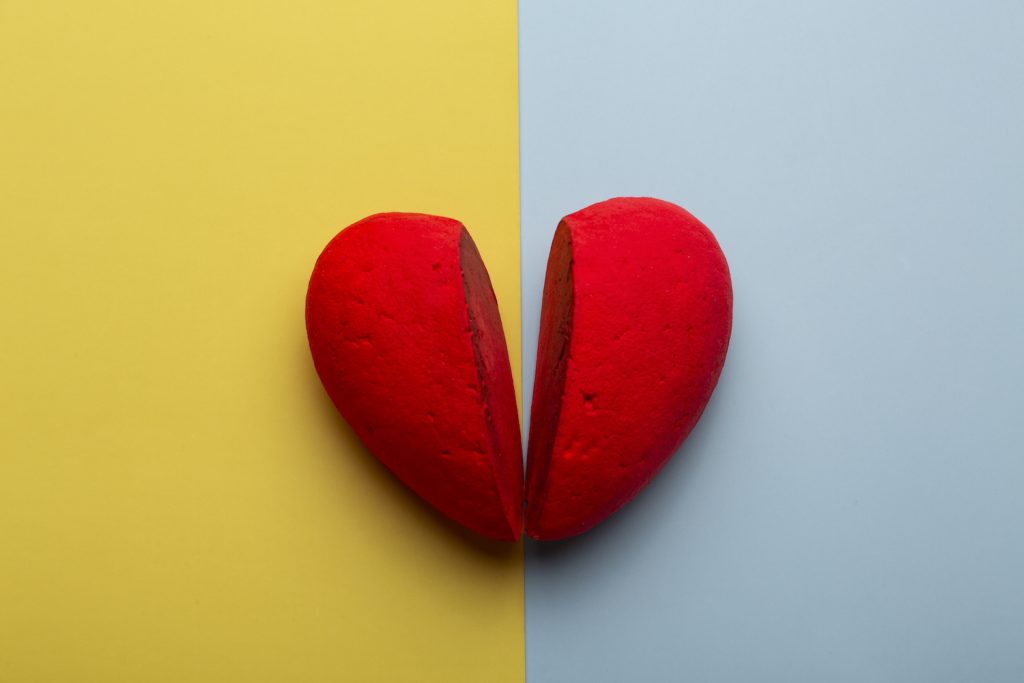
“Until death do us apart.”
We love the sound of it. It signifies a lifelong commitment to someone, a promise meant to last until our final breath. It’s comforting to believe we can find someone to love forever, especially when we’re taught that love is the most powerful emotion of all.
Love is supposed to build families, inspire art, drive sacrifice, and shape our deepest connections. Yet I’ve always struggled to understand what love really is. I used to love mangoes growing up, and now they top the list of fruits I’d rather never touch. Clearly, for me, love is not an eternal feeling. Maybe comparing love to a fruit diminishes its value, but even in relationships, the pattern holds. My college boyfriend, the one I once thought I could never live without, is someone I haven’t spoken to in years, and I’m not losing sleep over it.
Discovering that love can fade isn’t always pleasant, but what surprised me more was realizing how long hate or at least resentment, anger, or bitterness can linger. A love that once felt unbreakable can soften, shift, or dissolve. But a single moment of betrayal can echo for years.
Why is that?
Psychology offers a simple explanation: hate isn’t healthier or stronger than love, but it often lasts longer, burns hotter, and clings more stubbornly.
Hate is linked to survival; love is linked to connection.
When I was younger, we lived in a building with a terrace where I played often. If I went too close to the edge and looked down, I felt a jolt of fear. That early experience shaped the way I perceive danger; even today, I hate flying more than any other form of travel.
From an evolutionary perspective, negative emotions like fear, anger, and aversion are survival mechanisms. When something threatens us, our brains store that memory as a warning. Hate or the cluster of emotions around it becomes a mental alert system.
Love, by contrast, evolved for bonding and cooperation. It’s crucial for long-term relationships, but it isn’t wired into the brain with the same “remember this or you could die” urgency. So the mind holds on more tightly to negative experiences. It nags, it repeats, it refuses to let go.
Hate is simple; love is just too much work
Loving someone isn’t easy. It requires constant effort, adjustment, and patience. In the beginning, romance feels effortless, regular calls, sweet messages, affectionate names like “sweetheart” and “darling.” But then life happens. You get busy. You have responsibilities. The pampering fades. If one partner still expects that early intensity, resentment creeps in.
Suddenly, small things become triggers, the way someone eats, stirs a spoon, or breathes too loudly. These tiny irritations would have gone unnoticed in the early days, but now they spark anger. Resentment sticks. In most couples I’ve seen drift apart, reconciliation rarely restores the original bond. Even if they stay together, the lingering bitterness never fully leaves.
Hate doesn’t require nurturing; it sustains itself through rumination, memory, and wounds left unhealed. A friend once told me, “Hate is always there somewhere in the vacuum. You don’t actively think about it, but it stays there, never to leave.”
Strong love often turns into strong hate
Some of the most intense hate stories begin as love stories, romantic partners, close friends, trusted mentors. When someone we deeply love hurts us, the impact is far more profound.
It’s not that hate is stronger; it simply moves into the emotional space that love once occupied.
This is why it can feel like:
- If you love someone, you might eventually stop loving them.
- But if you hate someone, that feeling lingers.
Because hate isn’t passion, it’s unprocessed pain.
People aren’t born haters. If hate feels heavier than love, it’s usually because we haven’t healed from whatever caused it.
Love requires courage.
Hate requires memory.
And while love builds, hate freezes.



I started writing down one thing at the end of every day — what I actually managed to do. Not a to-do list, not plans. Just one small win. It’s surprising how quickly it shifts your perspective.